
The Difference Between Butter & Margarine
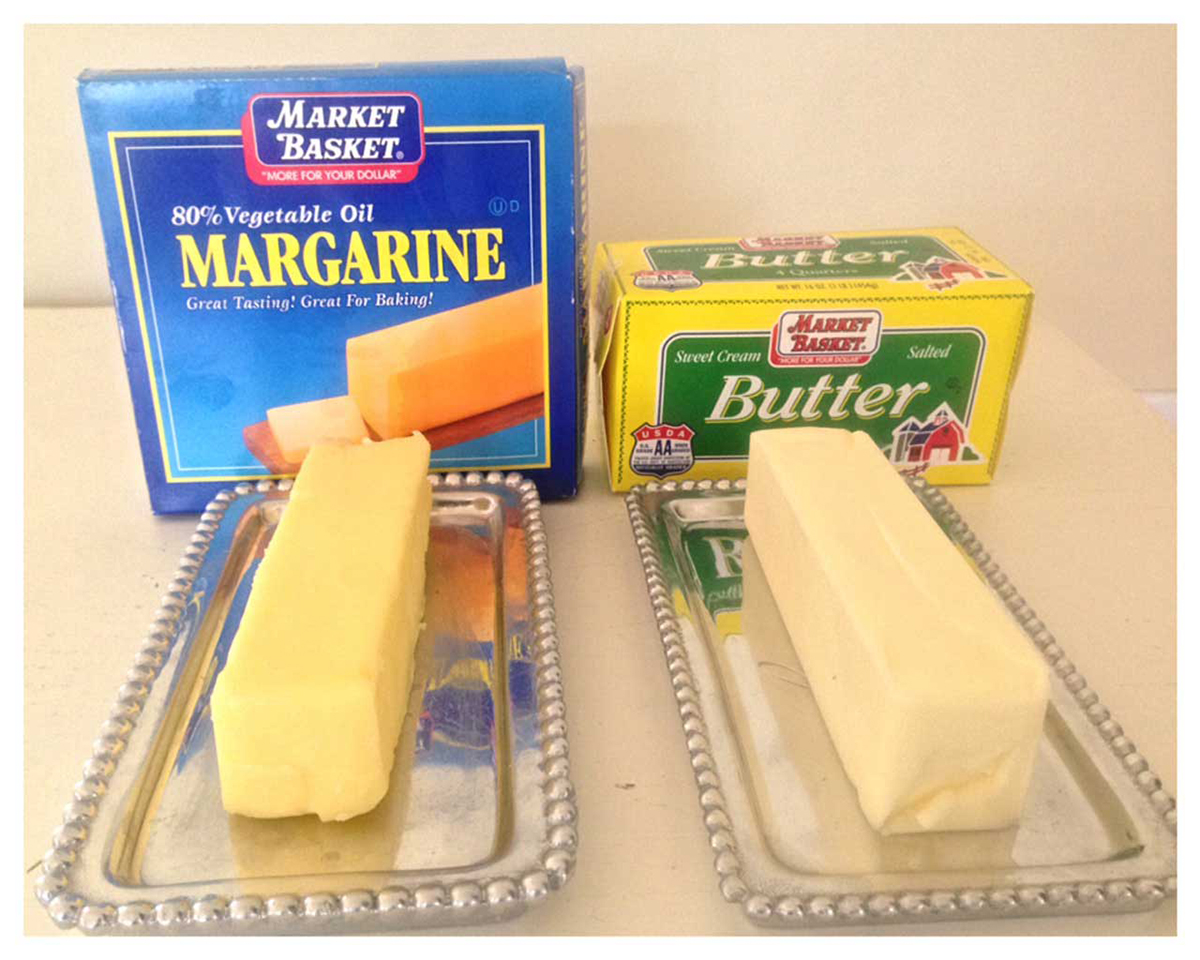
The difference between butter and margarine comes down to their fundamental ingredients, how they're made, and their impact on health.
Here’s a detailed breakdown.
At a Glance: The Core Difference
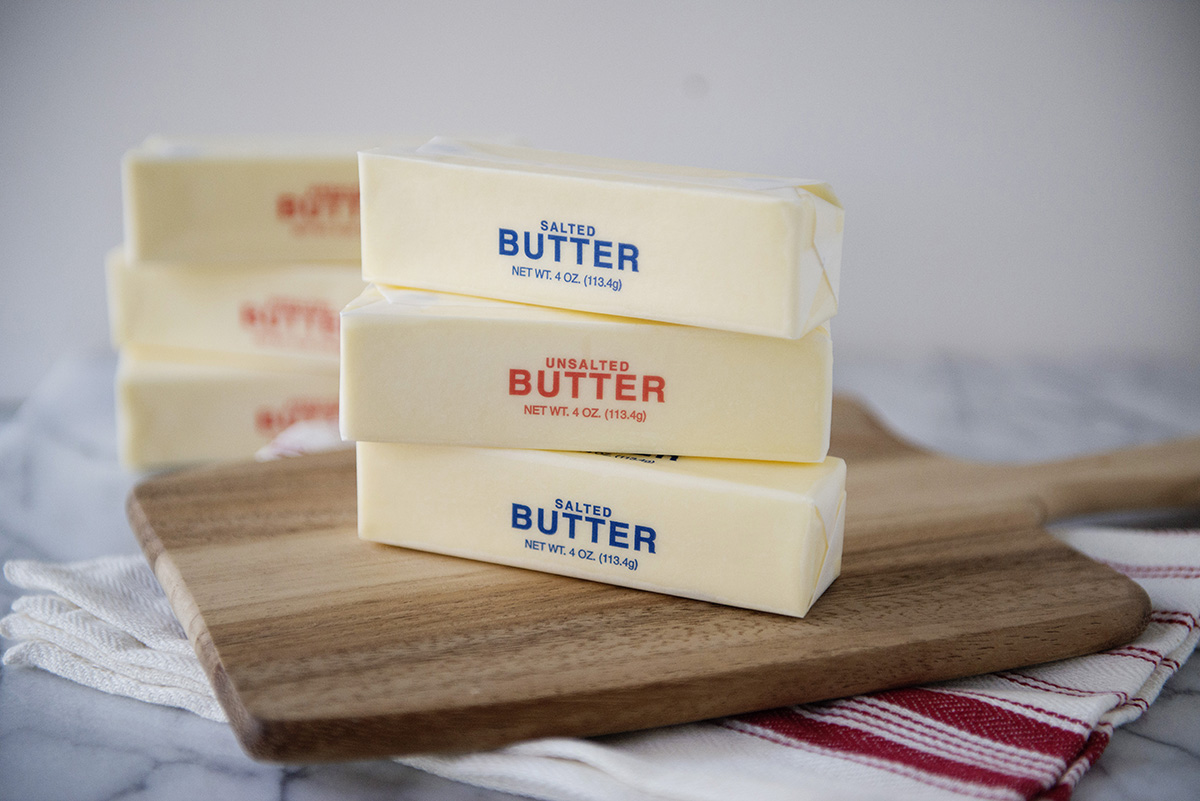
- Butter is a dairy product made by churning cream or milk. Its primary component is saturated animal fat.
- Margarine is a manufactured spread designed to mimic butter. It's made from vegetable oils, which are primarily unsaturated plant-based fats.
Detailed Comparison
|
Feature |
Butter |
Margarine |
|
Origin |
Dairy. Made from churning cow's milk or cream. |
Plant-based. Made from vegetable oils (e.g., soybean, canola, palm, sunflower). |
|
Primary Fat |
Saturated Fat (about 50-60%) |
Unsaturated Fat. Originally high in Trans Fats, but now mostly Polyunsaturated & Monounsaturated. |
|
Cholesterol |
Contains dietary cholesterol. |
No cholesterol (plant-based). |
|
Key Ingredient |
Cream, sometimes salt. |
Vegetable oils, water, salt, emulsifiers, preservatives, colorings, and often added vitamins (A & D). |
|
How It's Made |
Churning. Cream is agitated until the fat molecules (butterfat) clump together, separating from the liquid (buttermilk). |
Hydrogenation & Emulsification. Oils are solidified through a chemical process, then mixed with other ingredients to create a spreadable product. |
|
Taste & Texture |
Rich, creamy, distinct "buttery" flavor that is highly valued in cooking and baking. |
Milder, more neutral flavor. Texture can vary from soft tubs to hard sticks. |
|
Color |
Naturally pale yellow to deep yellow (from beta-carotene in grass-fed cow's diet). |
Naturally white or gray, so colorants (like annatto or beta-carotene) are added to make it look like butter. |
The Crucial Health Evolution of Margarine
This is the most important part of the story. The health perception of margarine has changed dramatically.
- The Trans Fat Era (Old Margarine):
- To turn liquid vegetable oils into a solid spread, manufacturers used a process called hydrogenation. This created artificial trans fats.
- Trans fats are the worst type of fat for your health. They significantly raise "bad" (LDL) cholesterol and lower "good" (HDL) cholesterol, dramatically increasing the risk of heart disease.
- For decades, margarine was considered a "heart-healthy" alternative to butter, but this was based on flawed science that only looked at saturated fat, not trans fats.
- The Modern Era (Current Margarine):
- Due to overwhelming evidence of the dangers of trans fats, they have been largely banned in many countries, including the U.S.
- Modern margarines use different methods to solidify oils, such as interesterification or blending with naturally solid fats (like palm oil or palm kernel oil).
- Look for labels: The key now is to choose margarines that are "Trans Fat Free" and have "0g Trans Fat" on the nutrition label. Also, check the ingredient list and avoid those with "partially hydrogenated oils."
Which One is Healthier? The Nuanced Answ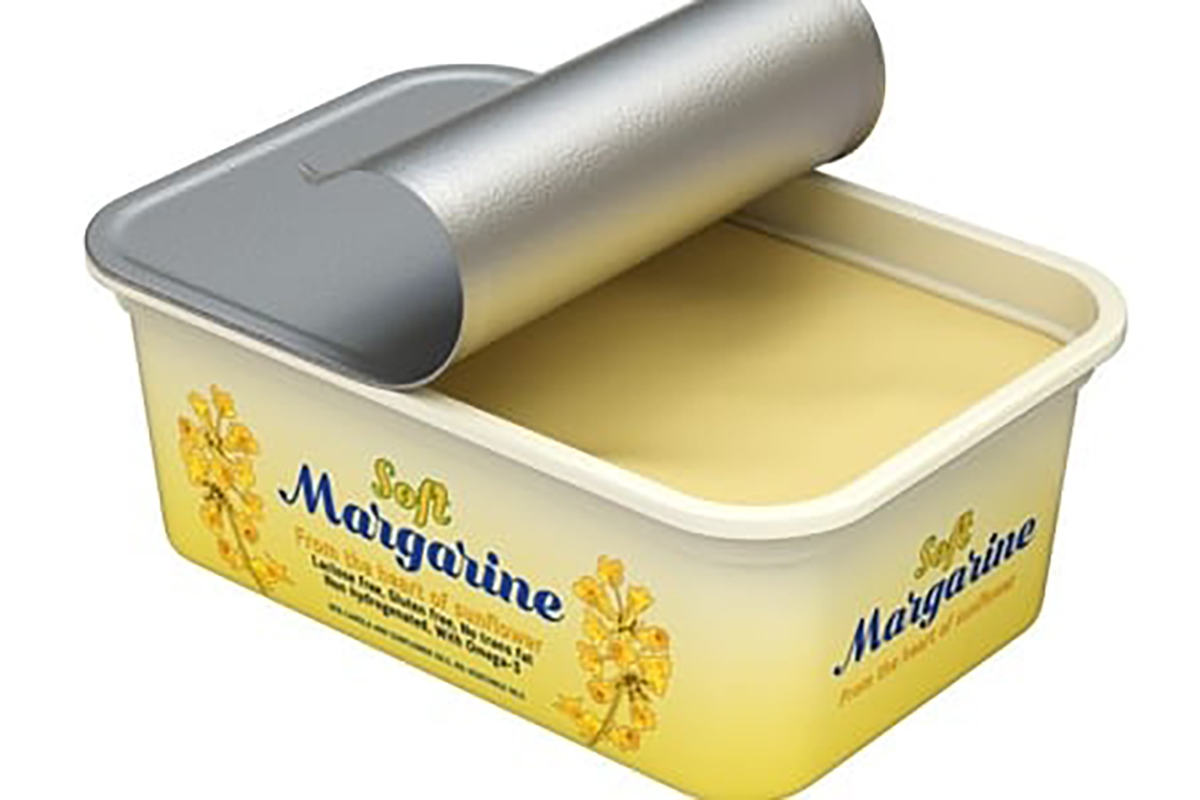 er
er
The simple "butter is bad, margarine is good" (or vice versa) narrative is outdated.
- Butter: High in saturated fat and cholesterol. For decades, this led to it being demonized. However, recent studies suggest the link between saturated fat and heart disease is more complex than once thought. It's a "whole food" with minimal processing, but should still be consumed in moderation.
- Modern, Trans-Fat-Free Margarine: Made from "heart-healthy" unsaturated fats and contains no cholesterol. However, it is a highly processed food. The healthfulness can vary greatly depending on the oils used and the other additives.
General Rule of Thumb: A soft, tub-based, trans-fat-free margarine is likely a better choice for heart health than butter for someone looking to lower their saturated fat and cholesterol intake. However, for minimal processing, butter is the simpler ingredient.
Summary: When to Use Which
- Choose Butter For:
- Baking: Especially in pastries, cookies, and pie crusts where its flavor and melting properties are superior.
- Cooking: Sautéing and sauces where its rich flavor is desired (like in a beurre blanc or on a steak).
- Spreading: When you want that classic, rich buttery taste on toast or bread.
- Choose (Modern) Margarine For:
- Everyday Spreading: If you are primarily concerned with reducing saturated fat and cholesterol for heart health.
- General Cooking: When you need a spreadable fat but don't want a strong buttery flavor.
The Bottom Line: Neither is a "health food." Both are fats to be used in moderation. The best choice depends on your dietary goals, health concerns, and whether you prioritize taste/naturalness (butter) or heart-healthy fats (trans-fat-free margarine). For the healthiest option, many nutritionists recommend using neither in excess and opting for sources of unsaturated fats like olive oil or avocado when possible.
Post time: Oct-27-2025