

Wholesale Scraped Surface Heat Exchanger: Top Manufacturers Explained
When I first encountered the concept of a scraped surface heat exchanger, I was intrigued by its efficiency and versatility in various industrial applications. These innovative devices are designed to enhance heat transfer, making them ideal for processing viscous fluids and slurries. As a B2B purchaser, you’ll appreciate how the scraped surfaces keep the heat transfer area clean, minimizing fouling and maximizing performance. If you're in the market for wholesale scraped surface heat exchangers, consider partnering with leading manufacturers who specialize in this technology. They provide tailored solutions that meet specific process requirements, ensuring you get the best value for your investment. Plus, many manufacturers offer robust support and consultation to help optimize your purchasing decision. Investing in a scraped surface heat exchanger could significantly improve your operational efficiency, so don't hesitate to explore your options!
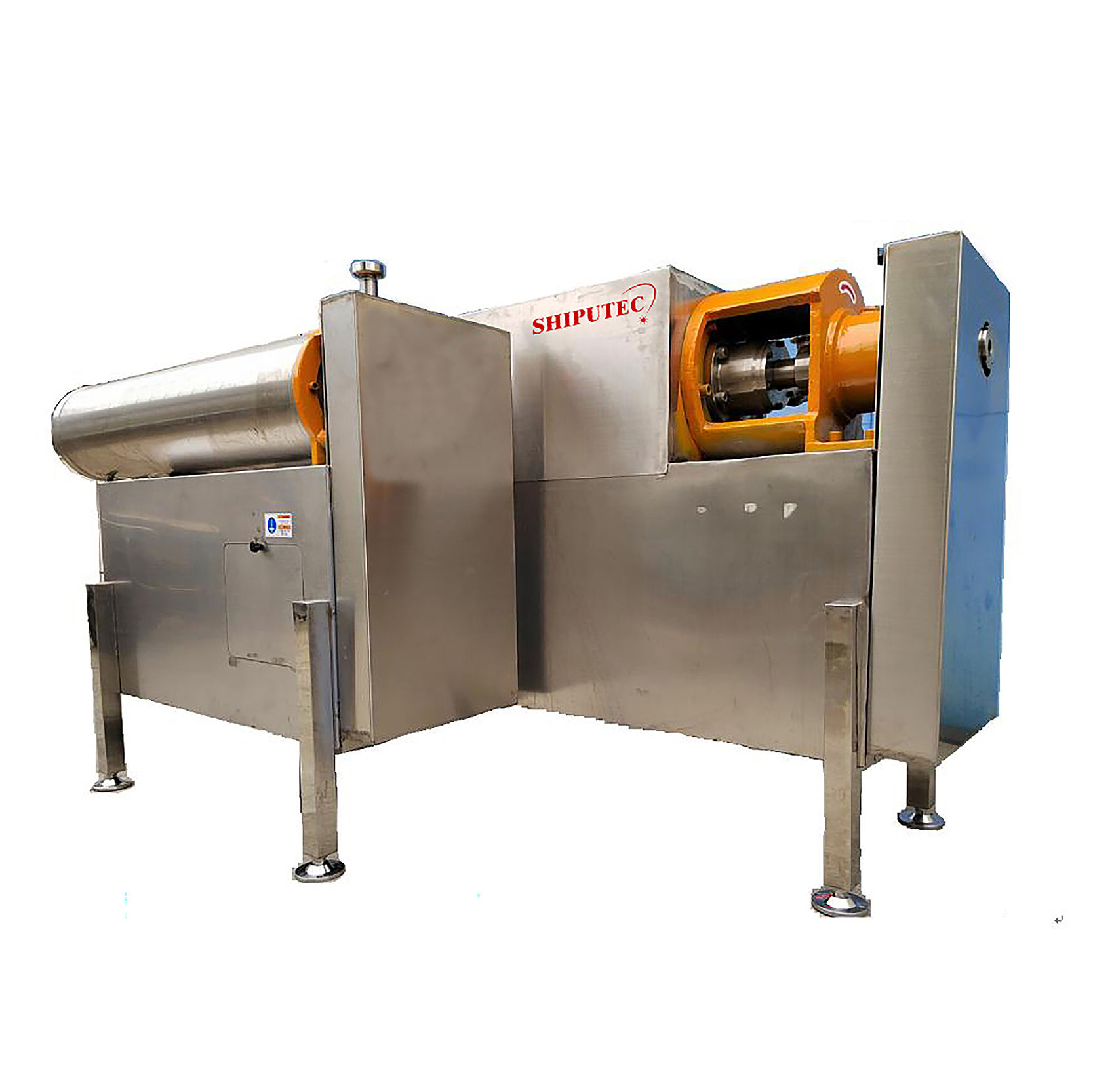

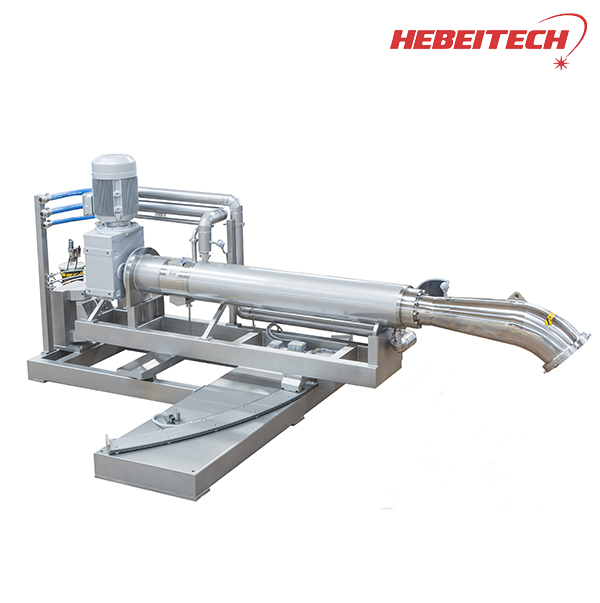
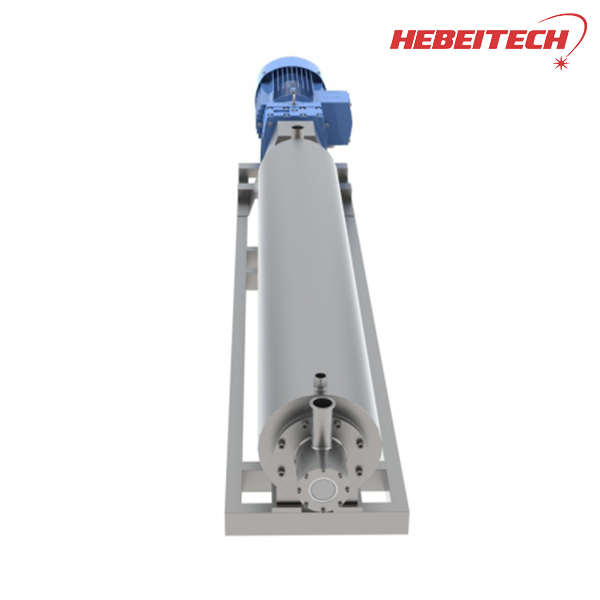
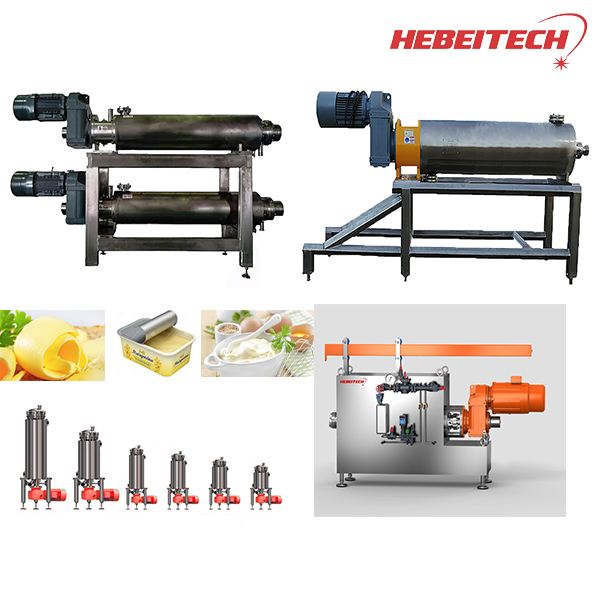

What Is Scraped Surface Heat Exchanger Products Outperforms the Competition
In the fast-evolving world of thermal management, scraped surface heat exchangers have emerged as pivotal components for industries that demand precise temperature control and efficient heat transfer. These innovative systems utilize a unique scraping mechanism to maintain optimal heat transfer efficiency, ensuring that the thermal properties of fluids are preserved while minimizing fouling - a common issue in traditional heat exchangers. As global demand for more efficient, reliable, and sustainable heat exchange solutions grows, businesses are increasingly turning to scraped surface heat exchangers for their superior performance. One of the key advantages of scraped surface heat exchangers is their ability to handle a wide range of fluid viscosities and thermal properties. This versatility makes them ideal for various applications, including food processing, chemical production, and pharmaceuticals. By enhancing heat transfer rates and reducing energy consumption, these systems not only contribute to cost savings but also promote a greener approach in production processes. Moreover, their design can be customized to meet specific operational needs, enabling businesses to optimize their processes and achieve a competitive edge. Ultimately, investing in scraped surface heat exchanger technology is not just about staying competitive; it's about embracing innovation that drives operational excellence. As industries worldwide strive for efficiency and sustainability, these advanced systems are proving to be invaluable assets, delivering consistent performance and reliability. For global buyers looking to enhance their thermal management solutions, the choice is clear: prioritize scraped surface heat exchangers and reap the benefits of superior technology in an increasingly demanding marketplace.
What Is Scraped Surface Heat Exchanger Products Outperforms the Competition
| Product Type | Heat Transfer Efficiency | Cleaning Frequency | Operating Temperature Range | Materials Used |
|---|---|---|---|---|
| Scraped Surface Heat Exchanger A | 95% | Weekly | -20 to 150°C | Stainless Steel, PVC |
| Scraped Surface Heat Exchanger B | 90% | Biweekly | -10 to 120°C | Carbon Steel, Copper |
| Scraped Surface Heat Exchanger C | 92% | Monthly | 0 to 130°C | Aluminum, Silicone |
| Scraped Surface Heat Exchanger D | 94% | Weekly | -30 to 160°C | Titanium, Nickel |
Related Products
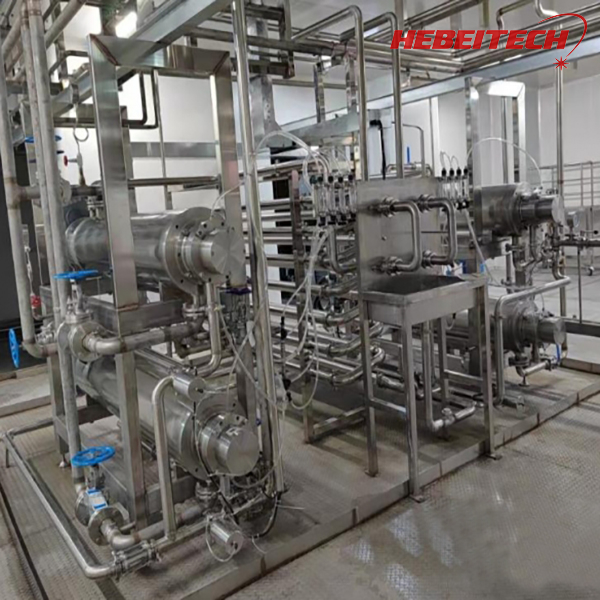
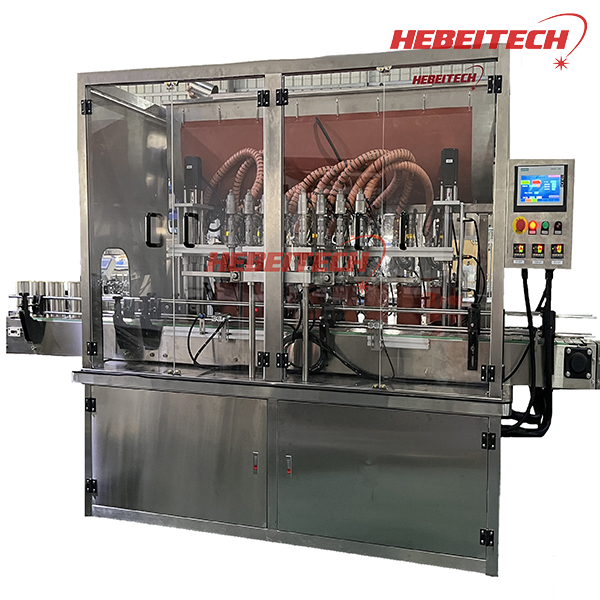

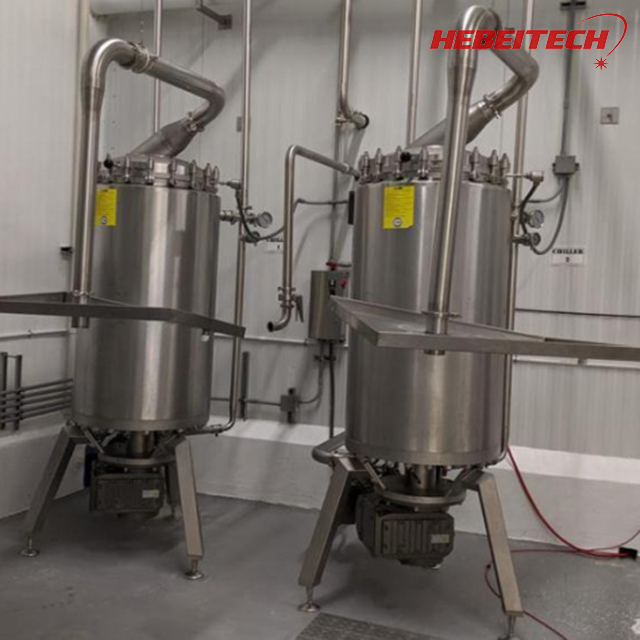


What Is Scraped Surface Heat Exchanger Service Where Service Meets Innovation
Top Selling Products


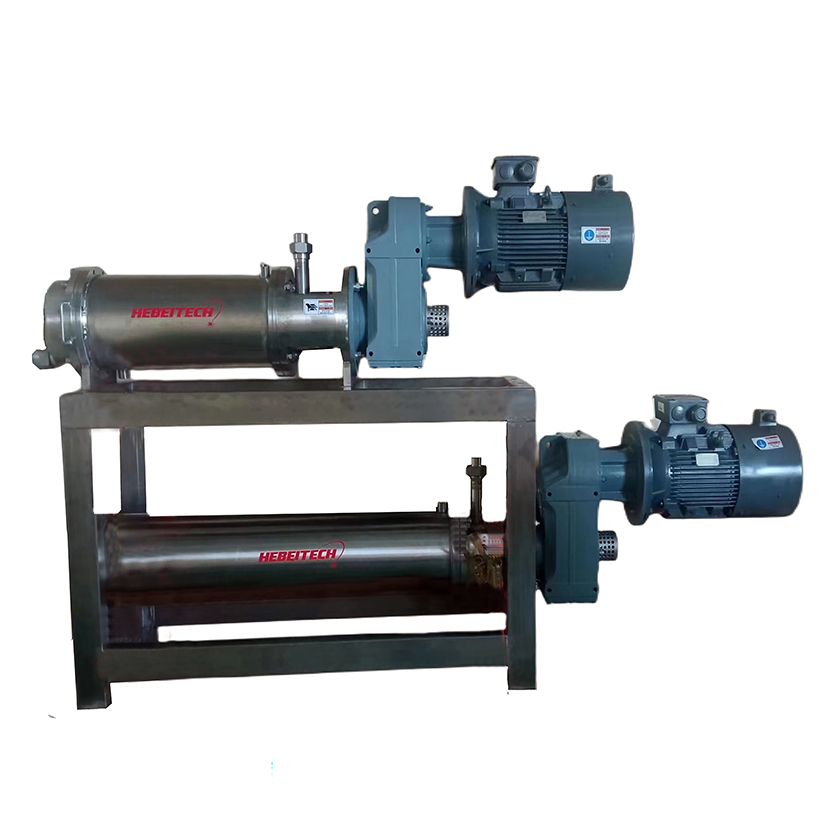
- Related Blog
- Reviews

-

Phone
-

E-mail
-

Whatsapp
-
Whatsapp

-

WeChat
Judy

-

Top