
I. Core Comparison Summary Table
| Fat Name | Fat Content | Melting Point | Consistency | Core Uses | Can Be Pastry Cuttable? | Can Be Spreadable? |
| Unsalted Butter | 80%~82% | 28~32℃ | Butter-like, easily softened | Cookies, cakes, bread, cookies | Yes (temperature control required) | Yes |
| Puff Pastry Margarine | 80%~84% | 38~45℃ | Hard, elastic, waxy | Croissants, Danish pastries, puff pastries | Excellent | No |
| Table Margarine | 40%~70% | 28~33℃ | Soft, smooth | Spreading, frying, general baking | No | Excellent |
| Anhydrous Fat / Shortening | 99%+ | 35~45℃ | Hard, no moisture | Sweet pastries, peach pastries, frying, pastry cutting | Yes | No |
II. Detailed Uses and Characteristics
1. Butter
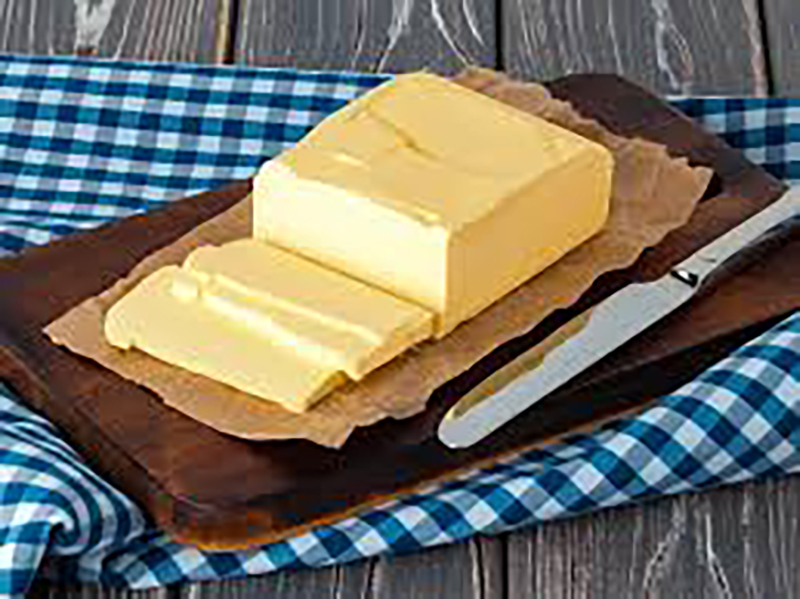
• Advantages: Rich milk flavor, fine texture, and the best taste.
• Disadvantages: Low melting point, too soft in summer, prone to oil leakage and layer breakage during puff pastry making.
• Applicable for:
o Cookies, shortbread, pound cakes, muffins
o Bread dough mixing, brioche
o Simple puff pastry (such as butterfly pastries, pie crusts)
• Not applicable for: Professional puff pastry making in high-temperature environments. ________________________________________
2. Puff Pastry Margarine
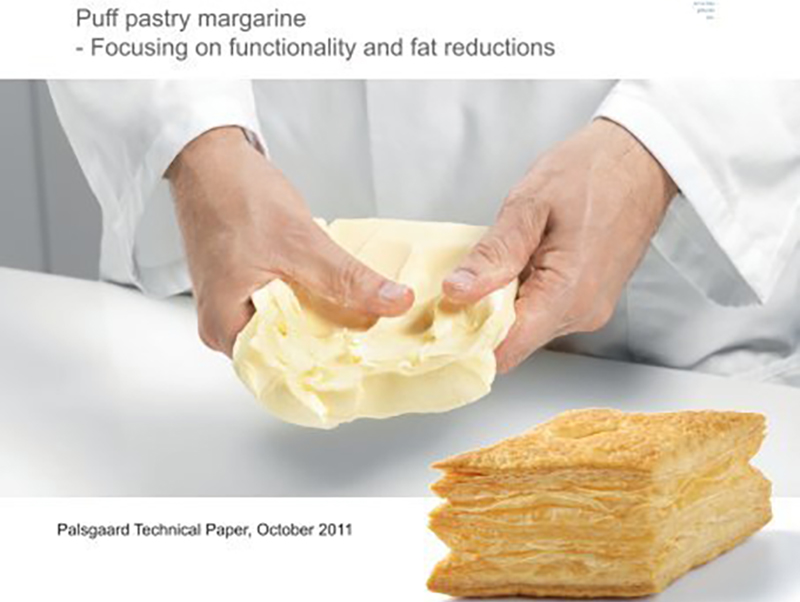
• Advantages: High melting point, strong toughness, does not break when rolled thin, no oil leakage, clear layers.
• Disadvantages: Almost no milk flavor, waxy texture, not suitable for direct consumption.
• Applications:
o Croissants / Pain au Chocolat
o Danish pastries, Napoleons, mille-feuille
o All products requiring repeated folding and layering
• Not suitable for: Spreading on bread, cakes, or cookies. ________________________________________
3. Table Margarine
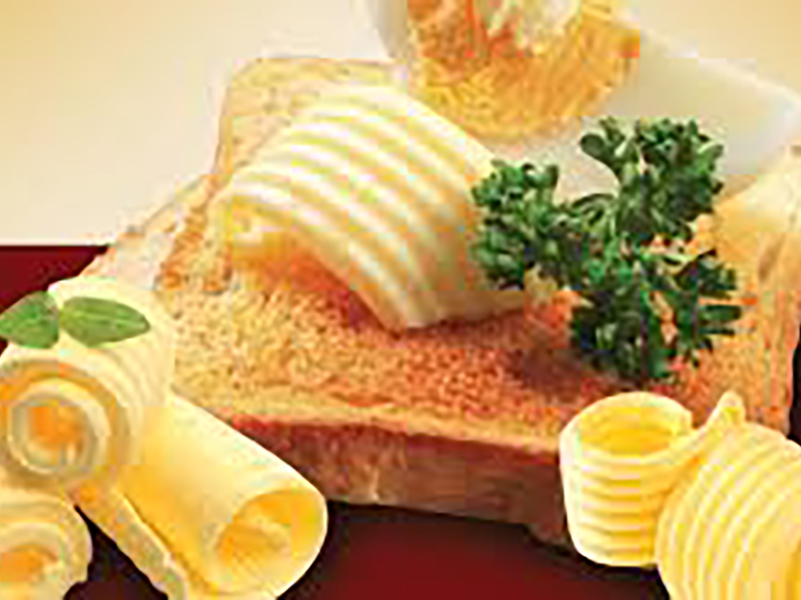
• Advantages: Soft, inexpensive, easy to spread, and can be spread even when refrigerated.
• Disadvantages: High in water content, low melting point, melts easily when heated, and cannot be used for puff pastry.
• Applicable for:
o Toast spreading
o Simple frying and baking, home baking
• Not applicable for: Any puff pastry or flaky pastry products. ________________________________________
4. Anhydrous Butter / Shortening
• Advantages: No moisture, strong flakiness, high heat resistance, and the final product is more flaky.
• Disadvantages: No milk flavor, and the texture is slightly greasy.
• Applicable for:
o Chinese flaky pastry (wife cake, egg yolk pastry)
o Peach cookies, flaky pastries, and frying
• Not applicable for: Western pastries that require a milk flavor. ________________________________________
III. Can They Be Interchanged? (The Most Practical Summary)
1. For Making Croissants and Danish Pastry
o Preferred: Pastry Margarine
o Alternative: Butter (Must Be Operated at Low Temperature)
o Prohibited: Table Margarine
2. For Making Cookies, Cakes, and Bread
o Preferred: Butter
o Alternative: Table Margarine (Flavor Will Be Affected)
o Prohibited: Pastry Margarine
3. For Spreading on Bread
o Preferred: Table Margarine, Soft Butter
o Prohibited: Pastry Margarine, Shortening
4. For Chinese Pastry Crusts (Such as Egg Yolk Pasty)
o Preferred: Anhydrous Butter / Lard
o Also Acceptable: Pastry Margarine ________________________________________
Four. One-sentence Memory
• Use soft margarine for spreading on bread (table margarine).
• Use hard margarine for puff pastry (pastry margarine).
• Use butter for delicious taste and shortening for crispy texture.
Post time: Apr-15-2026


