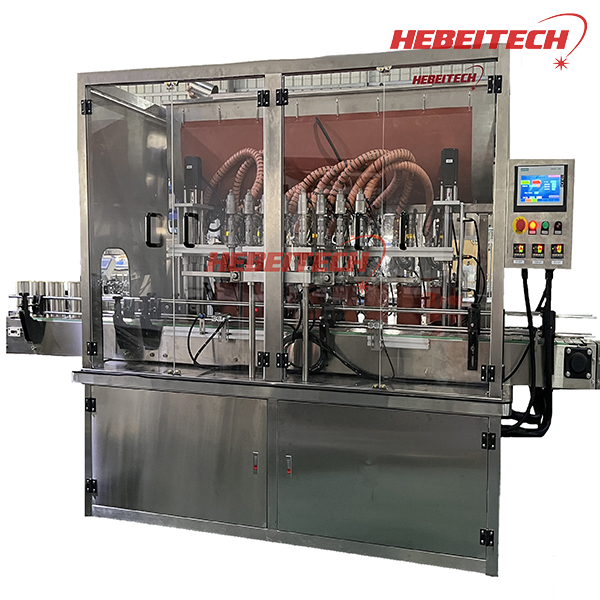
Bag Filter in Shortening Production

Equipment Description
Bag Filter in Shortening Production
In shortening production line, a bag filter is a crucial component used to remove impurities, solid particles, and other contaminants from the shortening during the manufacturing process. Here’s how it works and its significance:
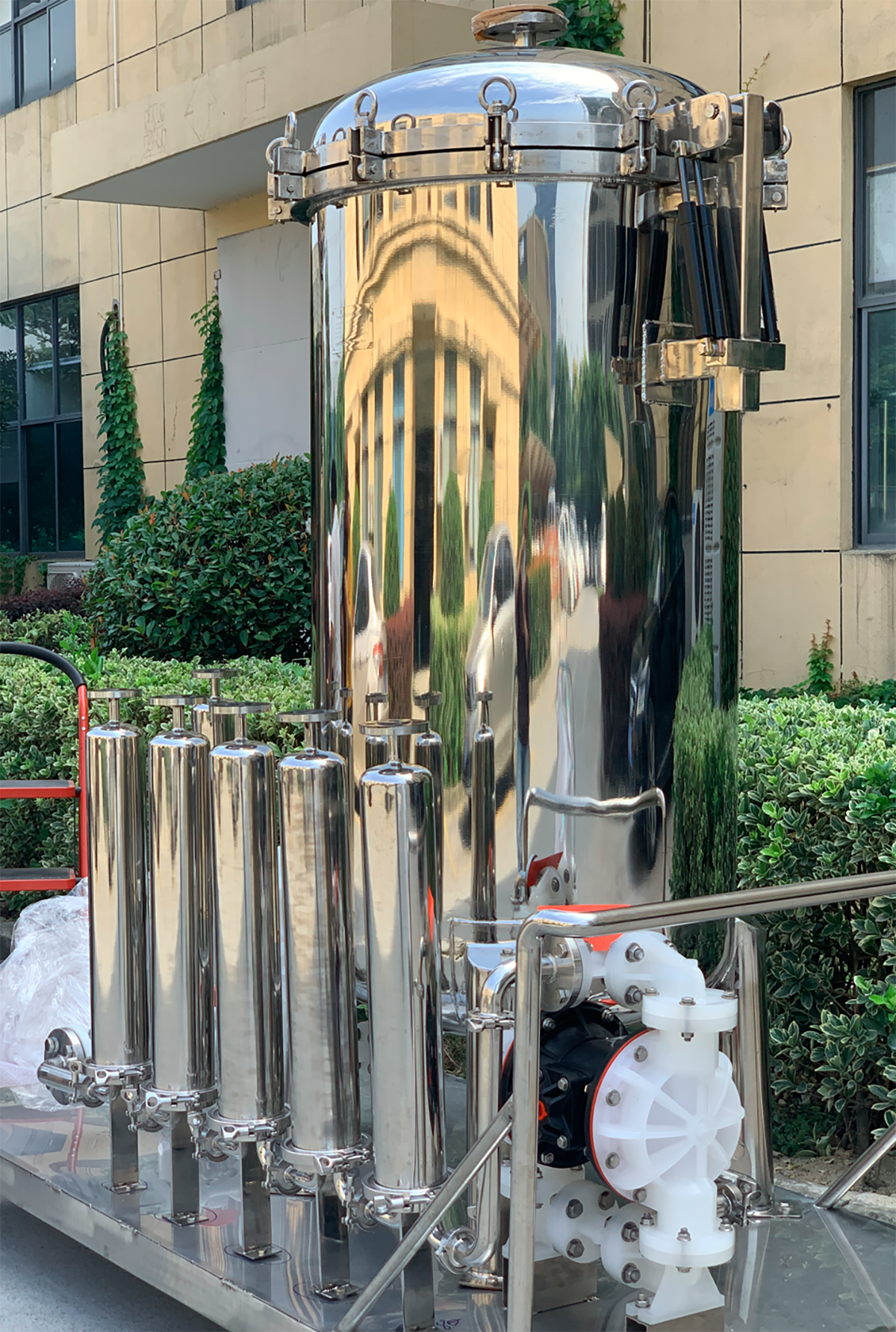
Role of Bag Filters in Shortening Production Line
- Filtration of Impurities
- Shortening (a semi-solid fat) may contain residual solids, catalyst particles (from hydrogenation), or other contaminants.
- Bag filters trap these particles, ensuring a clean, high-quality final product.
- Post-Hydrogenation Filtration
- If the shortening is hydrogenated (to increase melting point), a nickel catalyst is often used.
- Bag filters help remove residual catalyst particles after hydrogenation.
- Post-Bleaching Filtration
- After bleaching (using activated clay or carbon to remove color and odors), bag filters separate the spent bleaching earth from the oil.
- Final Polishing Filtration
- Before packaging, bag filters act as a final polishing step to ensure clarity and purity.
Types of Bag Filters Used
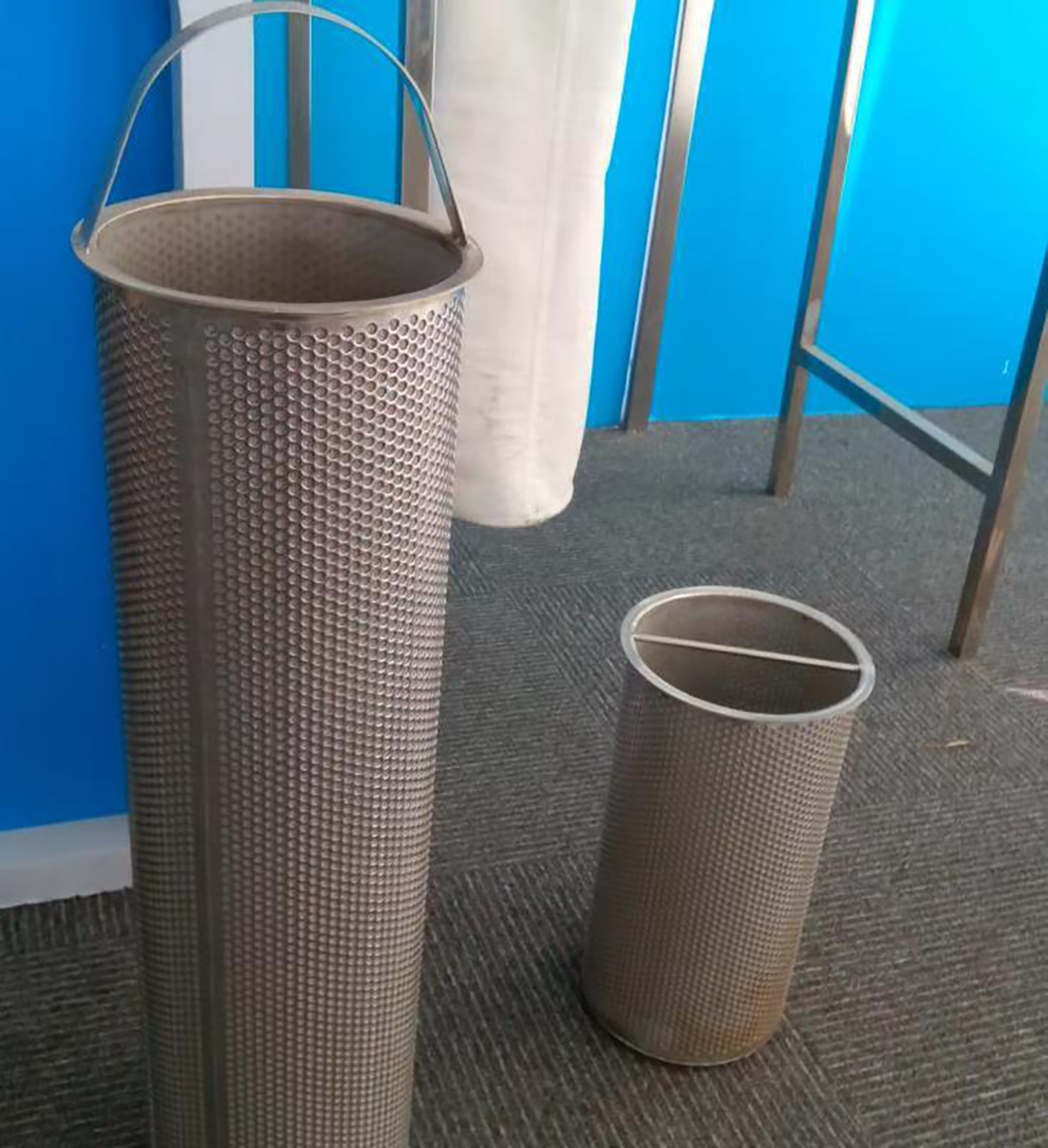
- Mesh Bag Filters – For coarse filtration (e.g., removing large particles).
- Melt-Blown Polypropylene (PP) Bags – For fine filtration (e.g., removing small catalyst residues).
- Stainless Steel Bag Housings – Used for high-temperature applications (common in edible oil processing).
Key Considerations
- Pore Size (Micron Rating) – Typically ranges from 1 to 25 microns, depending on the stage of filtration.
- Material Compatibility – Must withstand high temperatures (up to 100–150°C) and resist oil degradation.
- Sanitary Design – Important for food-grade applications to prevent contamination.
Maintenance & Replacement
- Regular inspection and replacement of filter bags are necessary to prevent clogging and maintain efficiency.
- Automated systems may include pressure sensors to indicate when bags need changing.
Benefits
- Improves product quality by removing unwanted solids.
- Extends the life of downstream equipment (e.g., pumps, heat exchangers).
- Ensures compliance with food safety standards (e.g., FDA, FSSC 22000).
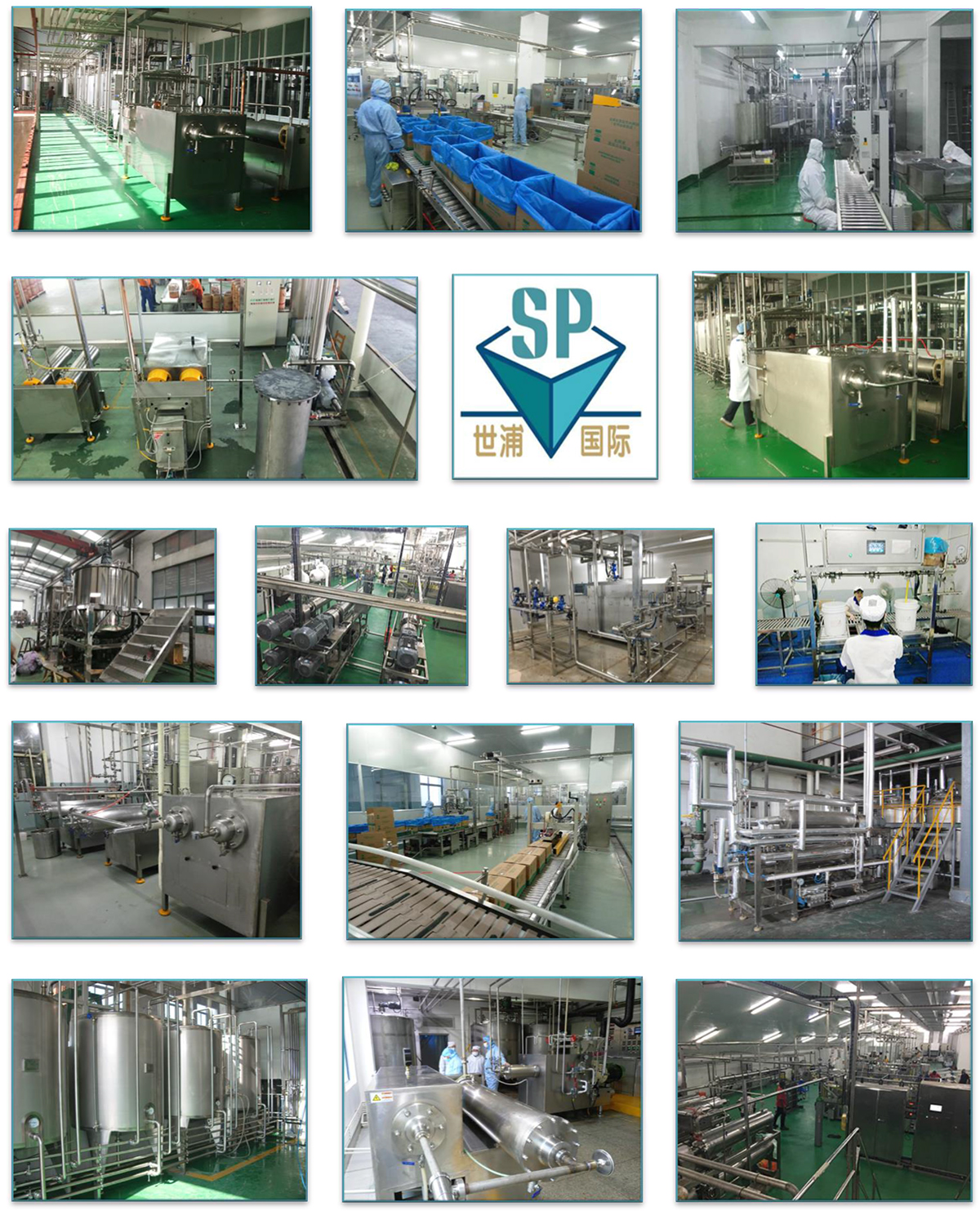
Site Commissioning
Write your message here and send it to us