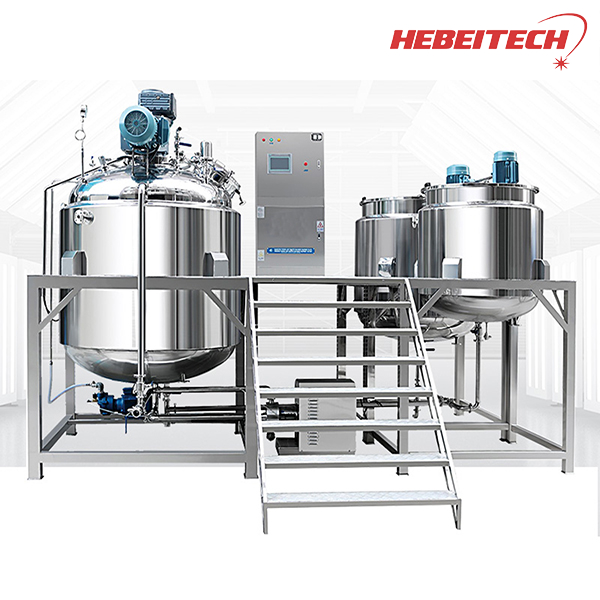
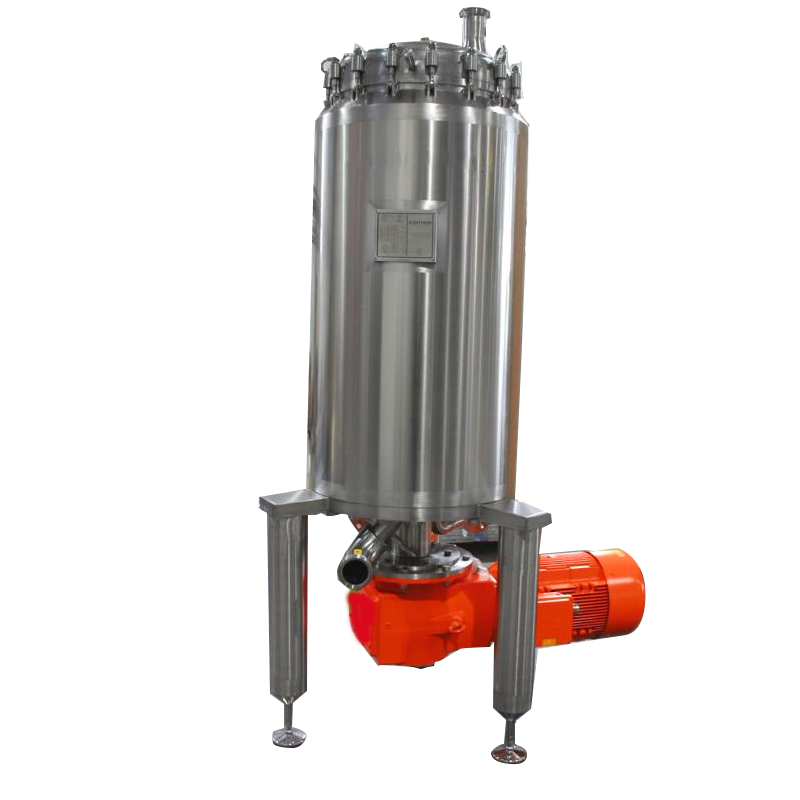
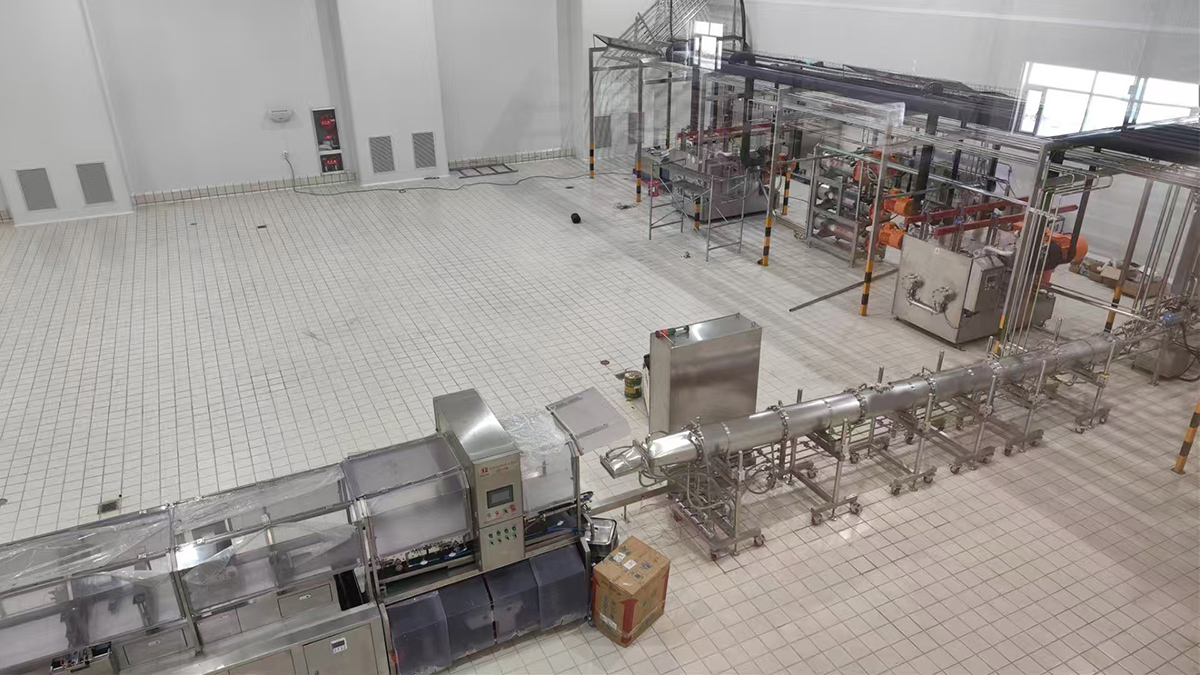
Vegetable Butter Production Line

Vegetable Butter Production Line
Vegetable Butter Production Line
Production Video: https://www.youtube.com/watch?v=3cSJknMaYd8
Vegetable butter (also known as plant-based butter or margarine) is a dairy-free alternative to traditional butter, made from vegetable oils such as palm, coconut, soybean, sunflower, or rapeseed oil. The production process involves refining, blending, emulsifying, chilling, and packaging to create a smooth, spreadable product.
Key Components of a Vegetable Butter Production Line
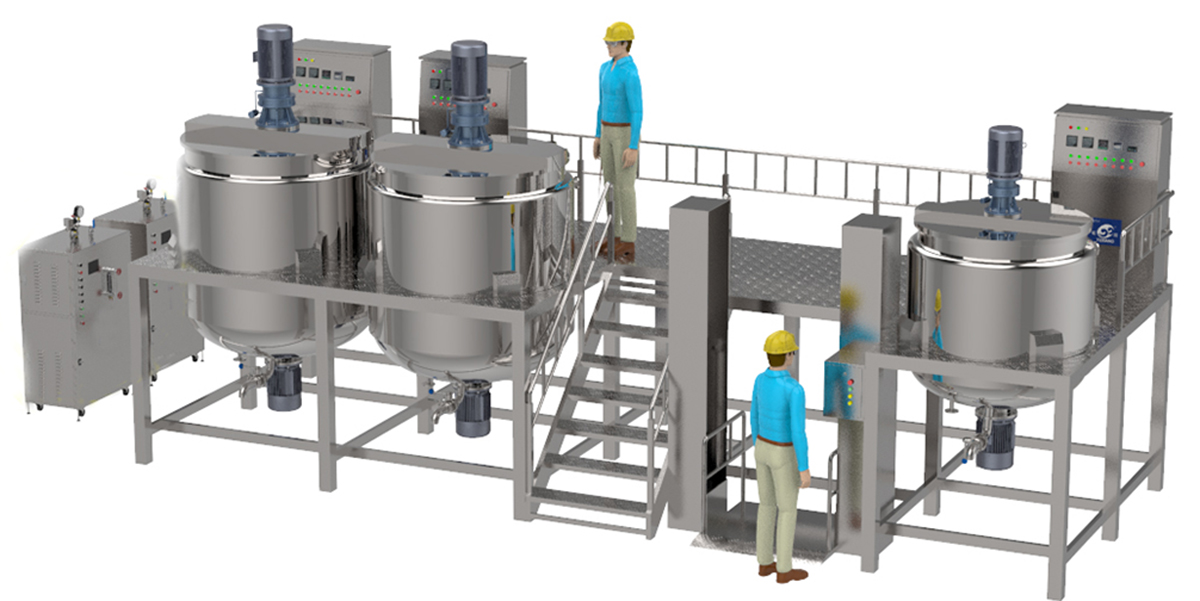
- Oil Storage & Preparation
- Vegetable oils are stored in tanks and preheated to the required temperature.
- Oils may undergo refining (degumming, neutralization, bleaching, deodorization) before use.
- Oil Blending & Mixing
- Different oils are blended to achieve the desired fat composition and texture.
- Additives (emulsifiers, vitamins, flavors, salt, and preservatives) are mixed in.
- Emulsification
- The oil blend is combined with water (or milk substitutes) in an emulsifying tank.
- High-shear mixers ensure a stable emulsion.
- Pasteurization
- The emulsion is heated (typically 75–85°C) to kill bacteria and extend shelf life.
- Crystallization & Cooling
- The mixture is rapidly cooled in a scraped surface heat exchanger (SSHE) to form fat crystals, ensuring a smooth texture.
- Resting tubes allow proper crystallization before packaging.
- Packaging
- The final product is filled into tubs, wrappers, or blocks.
- Automated packaging machines ensure hygiene and efficiency.
Types of Vegetable Butter Production Lines
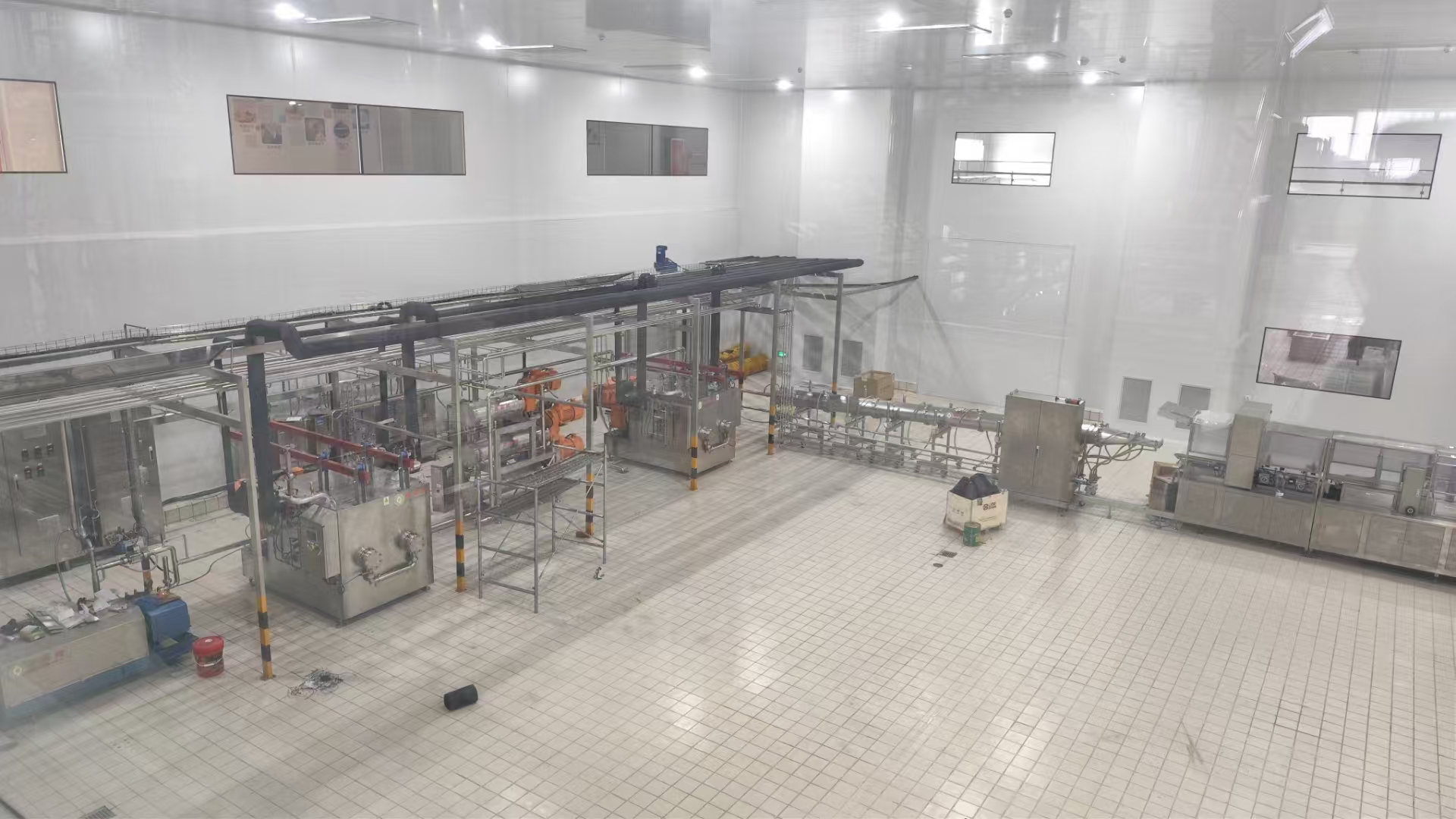
- Batch Processing – Suitable for small-scale production with manual control.
- Continuous Processing – Fully automated for high-volume output with consistent quality.
Applications of Vegetable Butter
- Baking, cooking, and spreads.
- Vegan and lactose-free food products.
- Confectionery and industrial food manufacturing.
Advantages of Modern Vegetable Butter Production Lines
- Automation – Reduces labor costs and improves consistency.
- Flexibility – Adjustable formulations for different oil blends.
- Hygienic Design – Complies with food safety standards (HACCP, ISO, FDA).
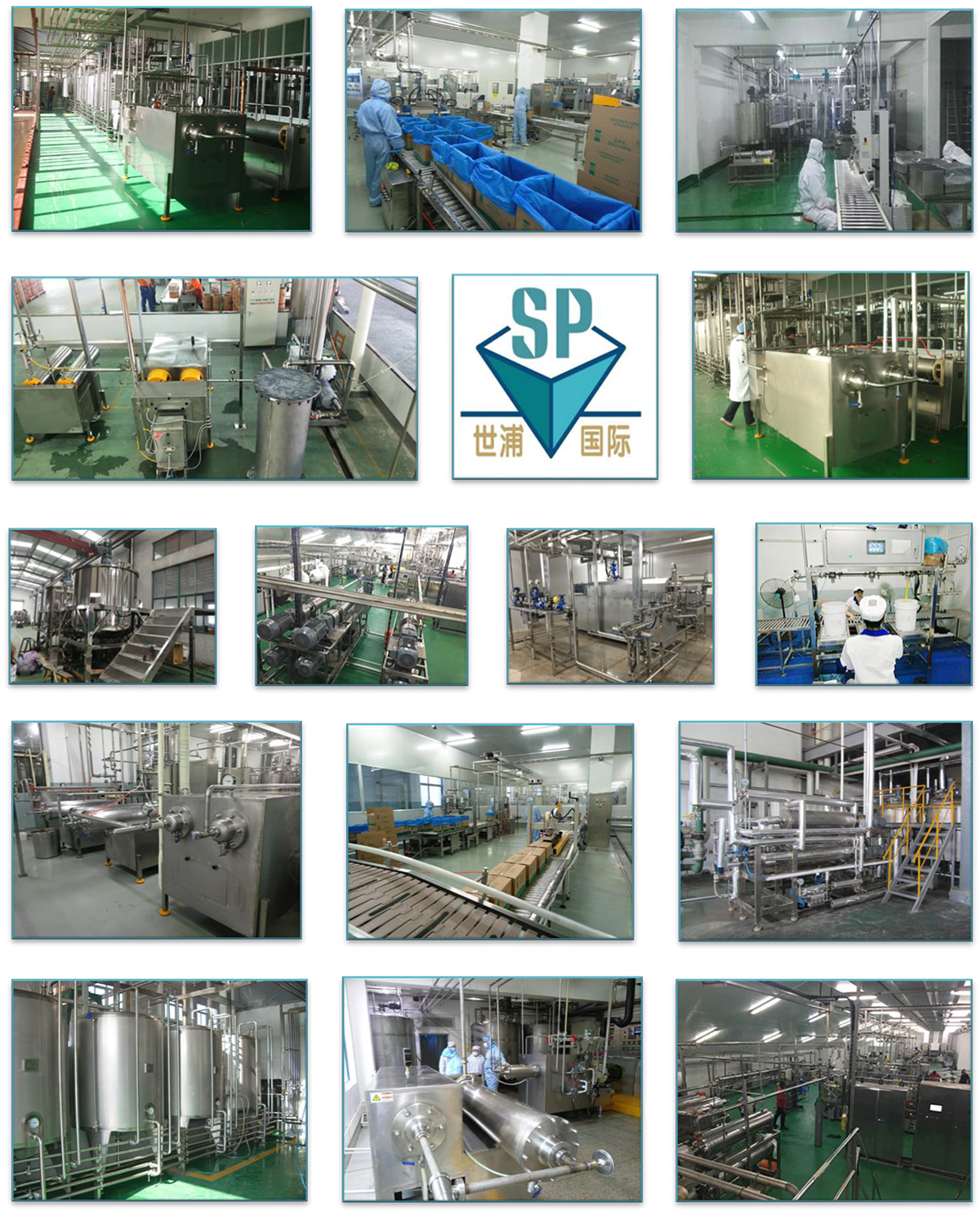
Site Commissioning
Write your message here and send it to us