Nitrogen Generator In Shortening Production

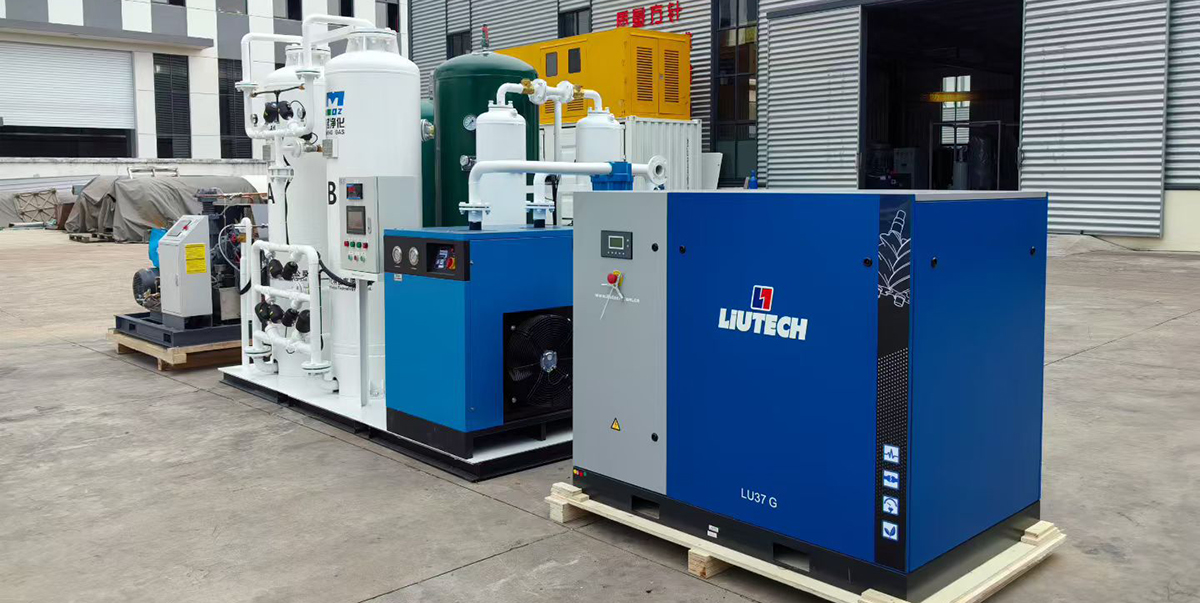
Equipment Photo
Description
Here’s a detailed breakdown of why and how nitrogen is used:
1. Primary Purpose: Sparging (De-aeration)
This is the most important function.
- The Problem: During the production process (which involves heating, emulsifying, and rapid cooling of oils), air (which is ~78% nitrogen, ~21% oxygen) can become incorporated into the shortening. Oxygen is highly reactive and leads to oxidative rancidity. This causes off-flavors, unpleasant odors, and a deterioration of quality. It also darkens the shortening's color.
- The Solution: Nitrogen Sparging. Before the shortening is packaged, food-grade nitrogen gas is bubbled through the hot liquid oil. This process is called "sparging."
- The nitrogen bubbles physically strip out and carry away the dissolved oxygen and other volatile compounds that contribute to off-flavors.
- The result is a de-aerated product with extremely low oxygen content, significantly extending its shelf life.
2. Blanketing (Purging and Protection)
Nitrogen is used to create an inert atmosphere anywhere the product is exposed to air.
- Storage Tanks: Large holding tanks for the finished shortening are purged with nitrogen. The gas, being heavier than air, settles on top of the liquid, creating a protective "blanket" that prevents air from contacting the product surface.
- Filling and Packaging: During the filling of tubs, cubes, or drums, nitrogen is often injected into the headspace (the empty space at the top of the container) just before the lid is sealed. This displaces the oxygen-rich air that would otherwise be trapped inside the package, providing protection from the moment it's sealed.
3. Physical Structure and Workability
While not its primary function, nitrogen can influence the final product's texture.
- Crystallization: The rapid cooling (chilling and plasticizing) of shortening is designed to create stable fat crystals that give shortening its solid yet pliable texture. The presence of inert gas bubbles can influence this crystallization process.
- Aeration and Creaming Ability: For certain specialized shortenings (especially those used in baking for creaming), the tiny, incorporated nitrogen bubbles can act as nucleation sites. This can enhance the product's ability to trap air when beaten with sugar, leading to better volume and texture in baked goods like cakes and icings. This is a controlled, secondary effect.
4. Safety
- Nitrogen is an inert gas. It does not react with the shortening, doesn't support combustion, and is non-flammable, making it a safe choice for use in a food processing environment.
Summary: The Key Benefits of Using Nitrogen
|
Benefit |
How it Works |
|
Extended Shelf Life |
Removes oxygen, the primary cause of oxidative rancidity. |
|
Preserves Color & Flavor |
Prevents oxidation reactions that lead to darkening and off-flavors. |
|
Maintains Product Quality |
Protects the sensitive fats from degradation during storage and transit. |
|
Improved Product Consistency |
Helps create a uniform texture and performance in baking/frying. |
What Nitrogen is NOT Used For:
- It is NOT a propellant: Unlike in whipped cream cans (which use Nitrous Oxide, N₂O), nitrogen is not used to "whip" or aerate shortening in the same way. Its aeration effect is a subtle, built-in characteristic.
- It is NOT an ingredient: It is a Food Grade Processing Aid (classified as GRAS - Generally Recognized As Safe). It is not listed on the ingredient statement because it is not intended to remain in the food in any significant quantity; it is used and then vented away.
In conclusion, nitrogen is indispensable in modern shortening production. It is a clean, inert, and effective tool for ensuring the product that reaches the consumer is stable, high-quality, and has a long shelf life by aggressively minimizing exposure to damaging oxygen.
Site Commissioning