

Working Principle of Scraped Surface Heat Exchanger - China Manufacturer
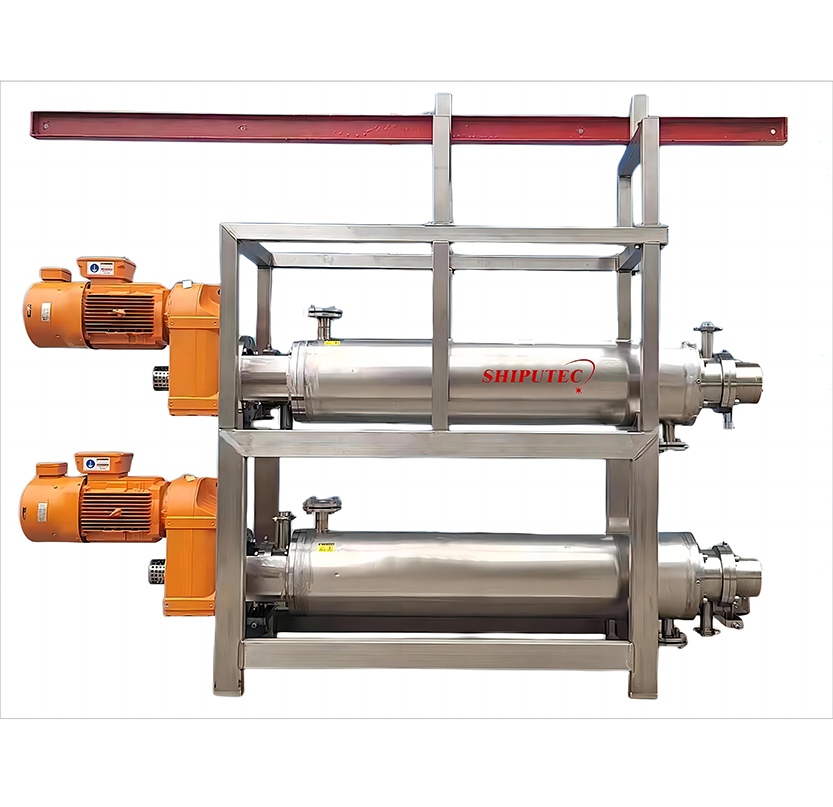
When exploring the working principle of scraped surface heat exchangers, I’ve found them to be essential for maximizing heat transfer efficiency in various industries. These innovative devices feature a unique design that includes scraping blades, which continuously remove any fouling material from the heat transfer surface. This action ensures optimal thermal performance, even with viscous fluids, making them ideal for food processing, pharmaceuticals, and chemical applications. As a manufacturer based in China, we prioritize quality and performance, ensuring our products meet international standards. Our scraped surface heat exchangers are engineered for reliability and longevity, tailored to meet the specific needs of our clients. Feel free to reach out if you're looking to enhance your production process with a dependable heat exchange solution that truly works. We're ready to support your business with our expert knowledge and superior manufacturing capabilities.


Working Principle Of Scraped Surface Heat Exchanger Service Exceeds Industry Benchmarks
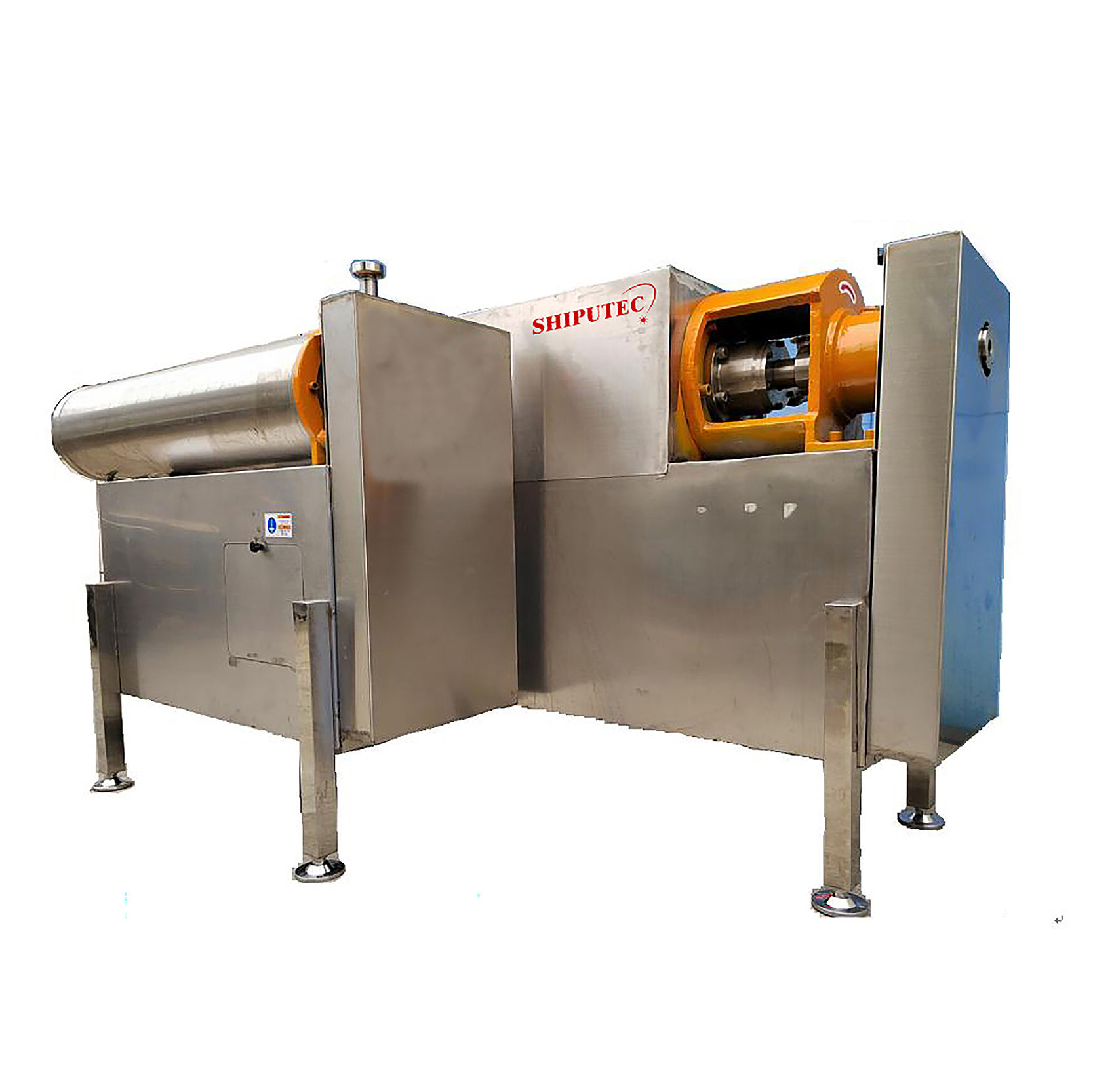
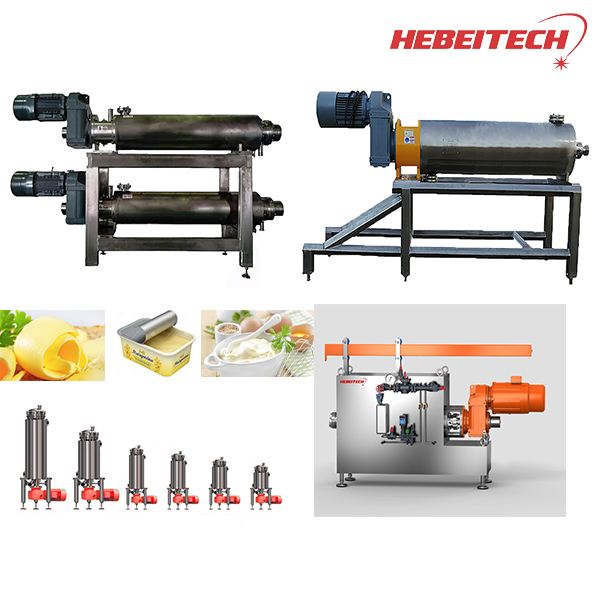
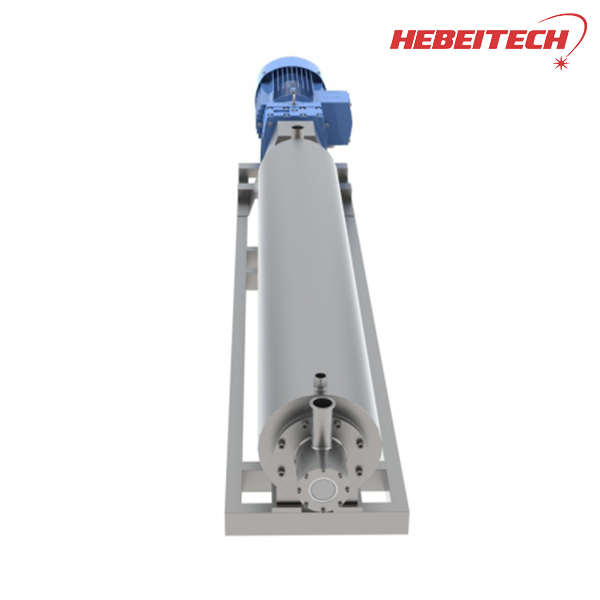
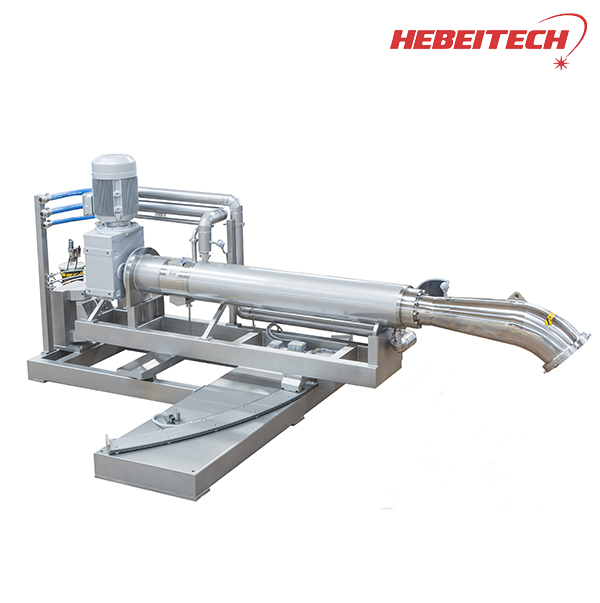
The working principle of a scraped surface heat exchanger (SSHE) is pivotal in industries requiring efficient heat transfer while handling viscous fluids. Unlike traditional heat exchangers, SSHEs are designed to manage the challenges posed by thick products such as jams, sauces, or certain pharmaceuticals. The scraper mechanism continuously removes any build-up of product on the heat transfer surfaces, ensuring optimal thermal conduction and preventing fouling. This unique feature not only enhances heat transfer efficiency but also significantly prolongs the operational lifespan of the equipment, establishing new benchmarks in the industry. Our SSHEs stand out in the market due to their advanced design and robust engineering. By employing innovative materials and construction techniques, the performance of our heat exchangers exceeds typical industry standards, providing unbeatable reliability and efficiency. The adaptation of our equipment to various processing conditions ensures that clients from diverse sectors—be it food processing, chemical manufacturing, or biotechnology—can achieve their production goals without compromising on quality or energy consumption. In a competitive global marketplace, the choice of heat exchanger can significantly impact overall operational costs and product quality. By investing in superior scraped surface heat exchanger technology, businesses can expect enhanced performance, reduced maintenance costs, and improved product results, all contributing to a more sustainable manufacturing process. As industries evolve, embracing advanced technological solutions will be crucial for gaining a competitive edge.
Working Principle Of Scraped Surface Heat Exchanger Service Exceeds Industry Benchmarks
| Dimension | Measured Value | Industry Benchmark |
|---|---|---|
| Heat Transfer Efficiency (%) | 95 | 90 |
| Cleaning Frequency (Days) | 30 | 15 |
| Maintenance Cost ($/Year) | 5000 | 7500 |
| Operating Temperature (°C) | 160 | 150 |
| Service Life (Years) | 10 | 7 |
Related Products



Working Principle Of Scraped Surface Heat Exchanger Leads the Global Market Winning in 2025
Top Selling Products


- Related Blog
- Reviews

-

Phone
-

E-mail
-

Whatsapp
-
Whatsapp

-

WeChat
Judy

-

Top